Storms in Raleigh, NC can develop quickly and often bring a combination of heavy rain, strong winds, lightning, and flying debris. While some storms pass with minimal impact, others leave behind damage that homeowners may not immediately recognize. In many cases, the most serious problems caused by storms are not the ones that are visible right away.
Understanding the most common types of storm damage can help homeowners recognize early warning signs before the damage spreads deeper into the structure. Many restoration professionals often find that what started as a small storm-related issue eventually turned into a much larger repair simply because the early signs were overlooked.
By knowing what to look for, homeowners can act quickly and protect their property from further damage.
Roof Damage Is Often the First Problem After a Storm
The roof is the first line of defense against severe weather, which means it often absorbs the majority of storm impact. Strong winds can lift shingles, loosen flashing, or damage roofing materials without completely tearing them off. From the ground, the roof may appear mostly intact, but even small areas of damage can create pathways for rainwater to enter the home.
When rain begins to slip beneath roofing materials, it can move through the underlayment and eventually reach attic spaces. Once moisture reaches insulation and wooden framing, it may begin spreading through the ceiling and walls. In many homes, the first visible sign of roof damage is a stain on the ceiling that appears days after the storm has already passed.
Because of this, roof inspections after major storms are extremely important. Identifying and repairing small roofing issues early can prevent extensive water damage inside the home.
Wind Damage Can Compromise the Exterior of the Home
High winds during storms can impact several parts of a home’s exterior. Siding panels may loosen or crack, gutters can bend or detach from the roofline, and window seals may become compromised. Even small openings in exterior materials can allow rainwater to enter the structure during future storms.
Wind-driven debris is another common cause of damage. Branches, loose objects, and airborne debris can strike windows, roofs, or siding with significant force. Sometimes the damage is obvious, such as broken glass or dented siding. Other times, the impact may cause structural stress that is not immediately noticeable.
If the exterior of the home is damaged and left unrepaired, moisture can slowly make its way into walls and structural components. Over time, this can lead to mold growth, rotting materials, and costly repairs.
Water Intrusion Is One of the Most Serious Storm-Related Problems
Water entering the home after a storm is one of the most common and damaging situations homeowners face. Even a small leak can allow moisture to spread into building materials quickly.
Water intrusion often begins through areas that were weakened during the storm. Damaged roofing materials, cracked siding, broken windows, or foundation gaps can all allow rainwater to enter the structure.
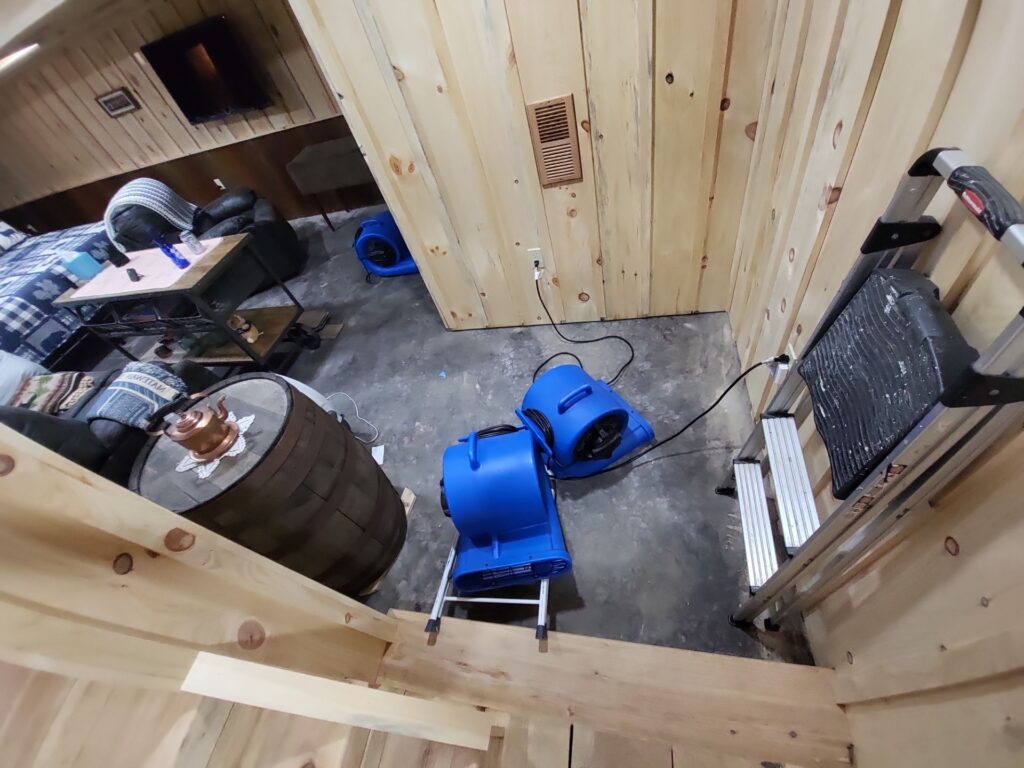
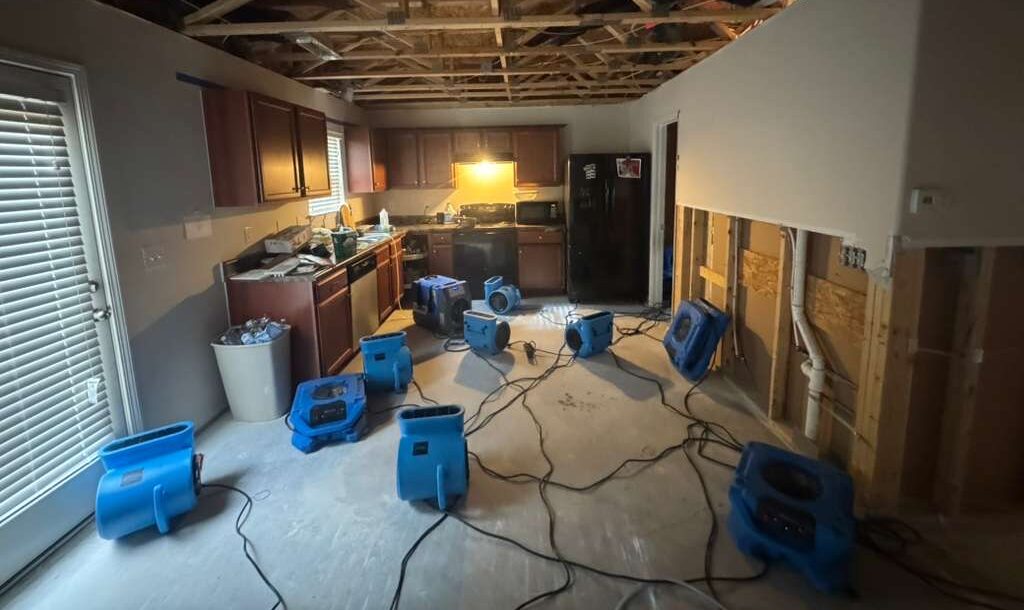
Once inside, water can move through drywall, insulation, flooring, and wooden framing. Because these materials absorb moisture easily, the water may spread far beyond the original entry point.
In many homes, water damage is not discovered until visible signs appear, such as warped flooring, peeling paint, or musty odors. By the time these signs appear, moisture may have already been present for some time.
Professional restoration teams use moisture detection tools to identify hidden water damage that cannot be seen during a normal visual inspection.
Fallen Trees and Debris Can Cause Immediate Structural Damage
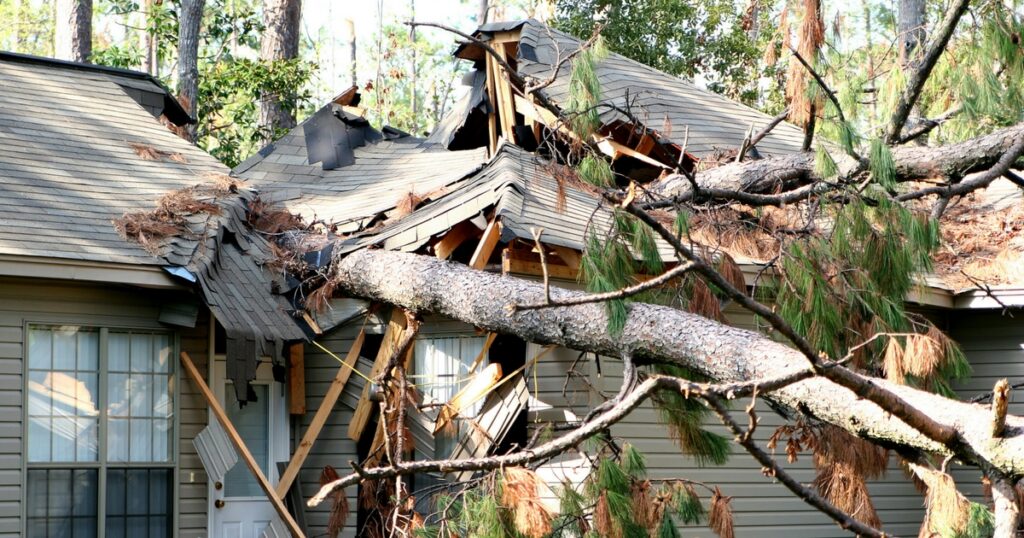
Severe storms often bring strong winds capable of knocking down trees or large branches. When a tree or heavy debris strikes a home, the damage can be immediate and severe.
A fallen tree may puncture the roof, damage structural framing, or break through windows and siding. In these situations, emergency storm cleanup is necessary to remove debris and secure the property before additional weather exposure causes further damage.
Even smaller branches can create problems if they damage roofing materials or block drainage systems. Gutters clogged with storm debris may prevent water from draining properly, which can cause water to pool on the roof or around the foundation.
Storm Damage to Gutters and Drainage Systems
Gutters play an important role in protecting homes from water damage by directing rainwater away from the roof and foundation. During storms, gutters can become bent, clogged, or detached due to wind or debris impact.
When gutters fail to function properly, rainwater may begin spilling over the edges of the roof instead of being directed away from the structure. This can cause water to collect near the foundation, increasing the risk of basement leaks or foundation damage.
After a storm, checking gutters and drainage systems is an important step in preventing further problems.
Why Early Storm Damage Detection Matters
One of the most important things homeowners can do after a storm is inspect their property carefully. Many types of storm damage appear minor at first but gradually worsen over time if they are not addressed.
Early detection allows repairs to be completed before water intrusion spreads or structural components begin to deteriorate. Restoration professionals are trained to identify hidden storm damage that may not be obvious during a routine inspection.
By addressing storm damage quickly, homeowners can protect both the safety of their property and the long-term value of their home.