Water damage is one of the most common problems homeowners face, yet it is also one of the most misunderstood. Many people think of water damage as something obvious, a flooded floor, a burst pipe, or standing water inside a room. While those situations certainly cause damage, the most serious water problems often develop quietly behind walls, beneath flooring, or above ceilings.
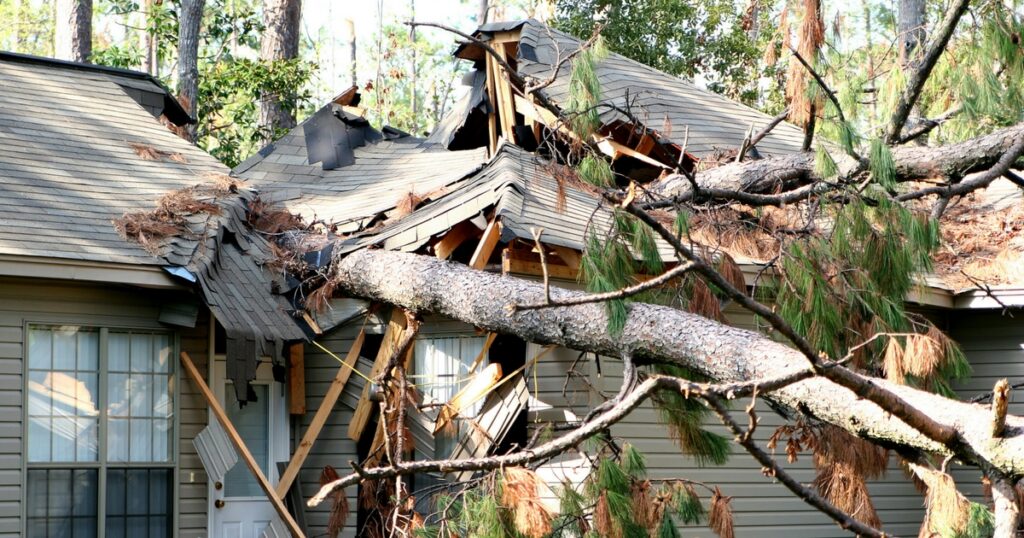
In Raleigh, NC, water damage can happen for many reasons. Heavy rainfall, plumbing failures, appliance leaks, roof damage, and storm-related water intrusion are all common causes. What makes water damage particularly dangerous is how quickly it spreads through a home once moisture finds its way inside.
Understanding how water damage affects a property and why quick restoration is so important and can help homeowners avoid long-term structural issues and costly repairs.
Water Damage Rarely Stays in One Place
One of the biggest misconceptions about water damage is that it remains confined to the area where the leak or spill originally occurred. In reality, water travels easily through building materials and structural spaces.
Once moisture enters a home, it often begins spreading through drywall, insulation, wooden framing, and flooring materials. Because many of these materials are porous, they absorb water quickly. This allows moisture to move beyond the original source of the problem.
For example, a leaking pipe inside a wall may initially affect only a small section of drywall. Over time, however, the moisture can spread downward through wall cavities and eventually reach baseboards, flooring, and subfloor materials. By the time visible damage appears, water may already be affecting multiple areas of the home.
This is one of the reasons water damage restoration professionals perform detailed inspections rather than focusing only on visible water.
Small Leaks Can Lead to Big Structural Problems
Many homeowners underestimate the impact of small leaks. A slow drip from a pipe or a minor roof leak may seem harmless at first, but even small amounts of moisture can cause damage over time.
When water repeatedly enters the same area, materials begin to weaken. Drywall may soften, wooden framing can start to swell, and flooring materials may begin to warp. Over time, these structural components lose strength and stability.
Moisture that remains trapped inside building materials can also create an environment where mold growth becomes possible. Once mold begins developing, it can spread through surrounding materials and create additional cleanup challenges.
Because of this, addressing water damage early is one of the most effective ways to protect a home from larger structural repairs.
How Water Damage Affects Different Areas of the Home
Water damage does not affect every part of a house the same way. Some areas are more vulnerable than others depending on how water enters the structure.
Ceilings often show the first signs of roof leaks. Water traveling through attic spaces may eventually soak through drywall, causing stains, sagging, or bubbling paint. When this happens, it usually indicates that moisture has already been present for some time.
Walls can also trap moisture easily. Water entering through damaged siding, windows, or plumbing leaks can remain hidden inside wall cavities. This type of hidden moisture is difficult to detect without professional equipment.
Flooring materials are particularly sensitive to water exposure. Hardwood floors may begin to cup or buckle as they absorb moisture, while laminate or vinyl flooring can separate from the subfloor beneath it. If moisture reaches the subfloor, structural damage may occur.
These different types of damage show why water restoration often involves more than simply removing visible water.
Why Water Damage Restoration Is More Than Just Drying
Many homeowners assume that once water is removed from the surface, the problem has been resolved. Unfortunately, drying visible water is only part of the restoration process.
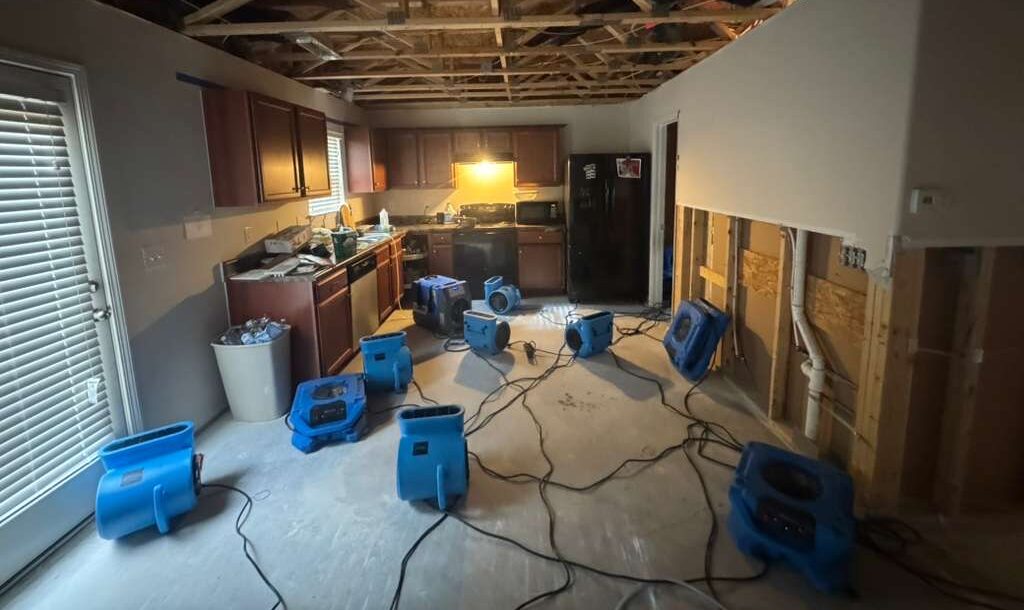
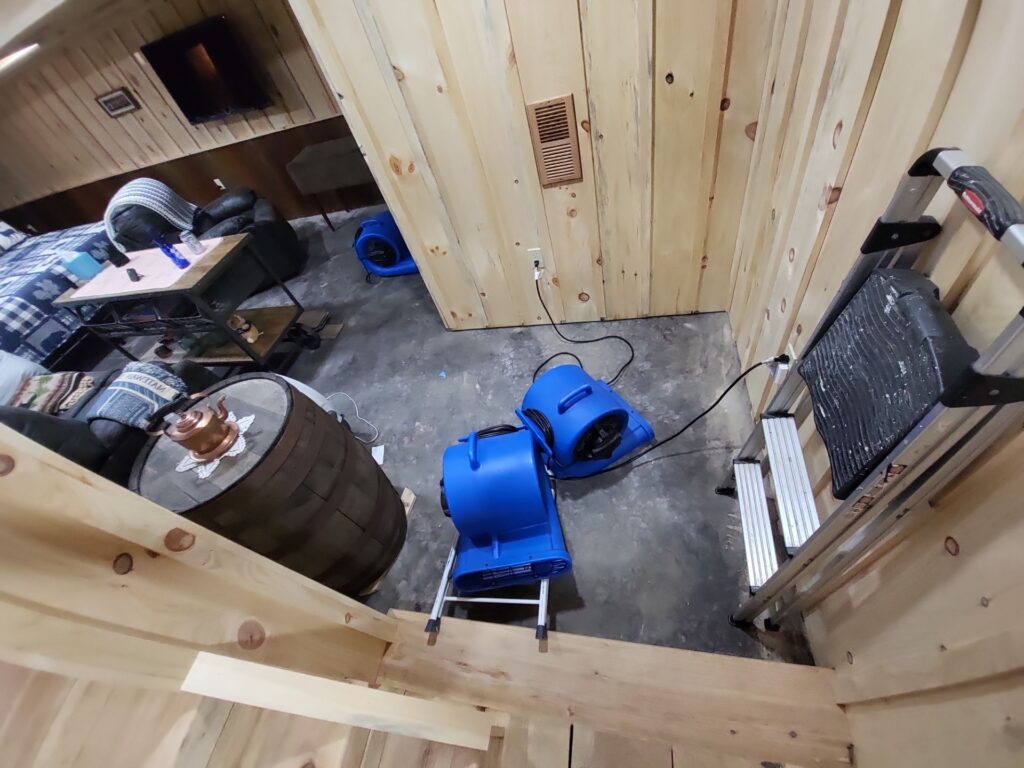
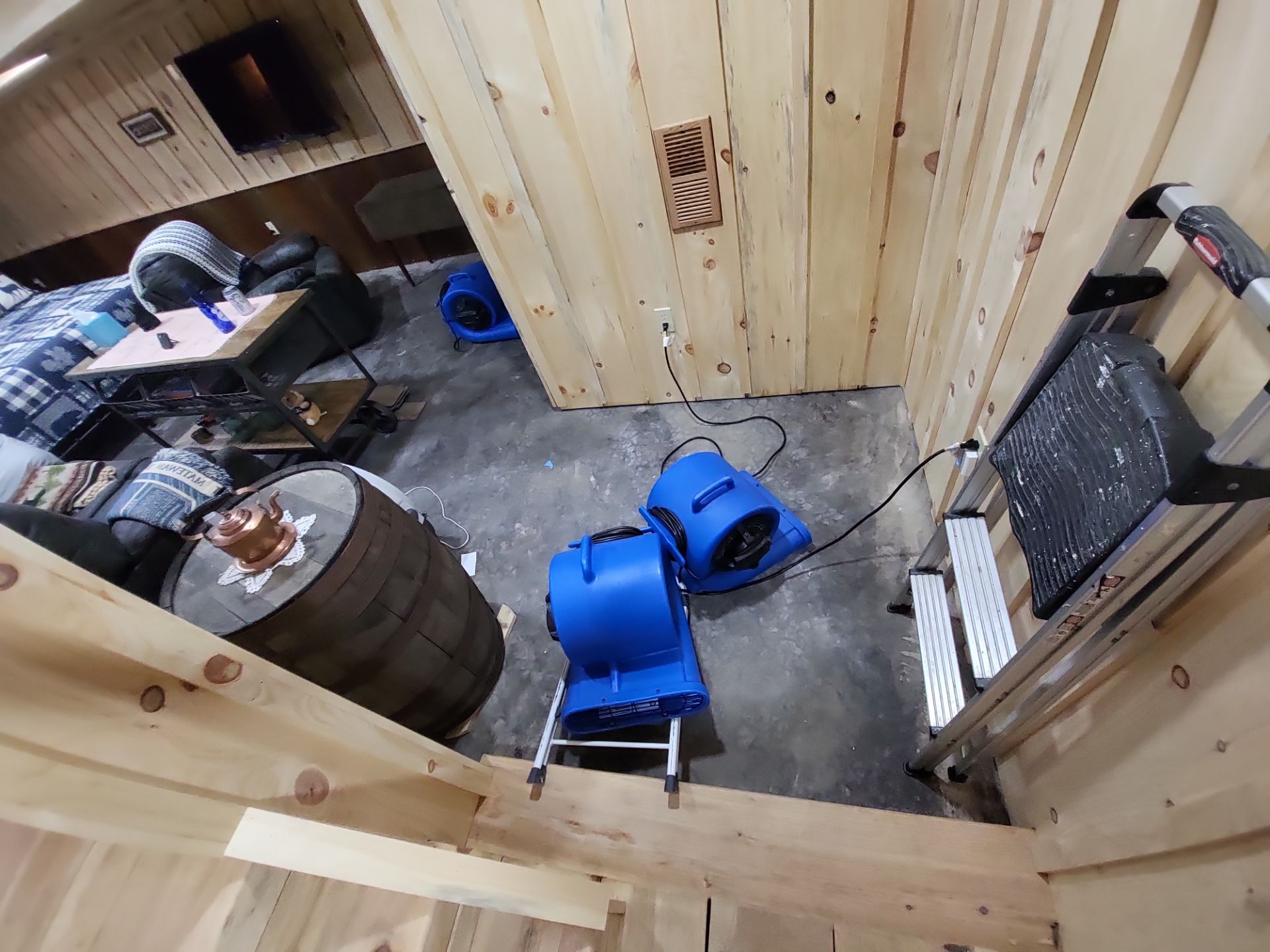
Professional water damage restoration focuses on removing moisture from inside building materials as well. Industrial air movers, dehumidifiers, and moisture detection tools are used to pull water out of materials that would otherwise remain damp.
Without proper drying, moisture trapped inside walls or flooring can remain for days or even weeks. During this time, materials may begin to deteriorate and mold growth may develop.
Proper restoration ensures that the structure is thoroughly dried and stabilized before repairs are completed.
The Importance of Acting Quickly After Water Damage
One of the most important factors in water damage recovery is how quickly restoration begins. The longer moisture remains inside a structure, the greater the potential for additional damage.
Water can spread rapidly through building materials, and structural components may weaken as they absorb moisture. Early restoration helps limit how far water can travel through the property.
Quick action also increases the chances that certain materials can be dried rather than replaced. When moisture is removed early, flooring, drywall, and structural components may be saved from permanent damage.
For homeowners, this can significantly reduce repair costs and shorten the overall restoration process.
Water Damage Can Affect the Health of Your Home
Beyond structural damage, water problems can also affect the overall condition of a home’s indoor environment. Persistent moisture can lead to unpleasant odors, poor air quality, and the potential for mold development.
Moist environments create ideal conditions for mold spores to grow. Once mold begins spreading through building materials, it can be difficult to remove without professional remediation.
Keeping a home dry and properly restored after water damage helps maintain a safe and healthy indoor environment.
Protecting Your Home From Future Water Damage
While some water damage events are unavoidable, there are steps homeowners can take to reduce the risk of future problems.
Regularly inspecting plumbing systems, maintaining roofing materials, cleaning gutters, and checking appliances for leaks can help identify potential issues early. Addressing these small maintenance concerns often prevents larger water damage situations later.
However, when water damage does occur, the most important step is responding quickly and ensuring that the restoration process is completed thoroughly.
Water Damage Restoration Helps Restore Stability to the Property
When handled properly, most water-damaged homes can be fully restored. Professional restoration focuses on removing moisture, repairing damaged materials, and stabilizing the structure so the home remains safe and functional.
For homeowners in Raleigh, NC, understanding how water damage works can make it easier to recognize the early signs and respond before the situation becomes more serious.
Water may seem harmless at first, but when it enters a home unexpectedly, it can quickly become one of the most damaging forces a property faces. Acting quickly and restoring the structure properly ensures that the home remains protected for years to come.