
Storms are part of life in Raleigh, NC. Most residents are familiar with heavy rainfall, strong winds, and sudden thunderstorms that can move through the area with little warning. While many storms pass without causing major issues, others can leave behind damage that homeowners don’t fully understand until days or even weeks later.
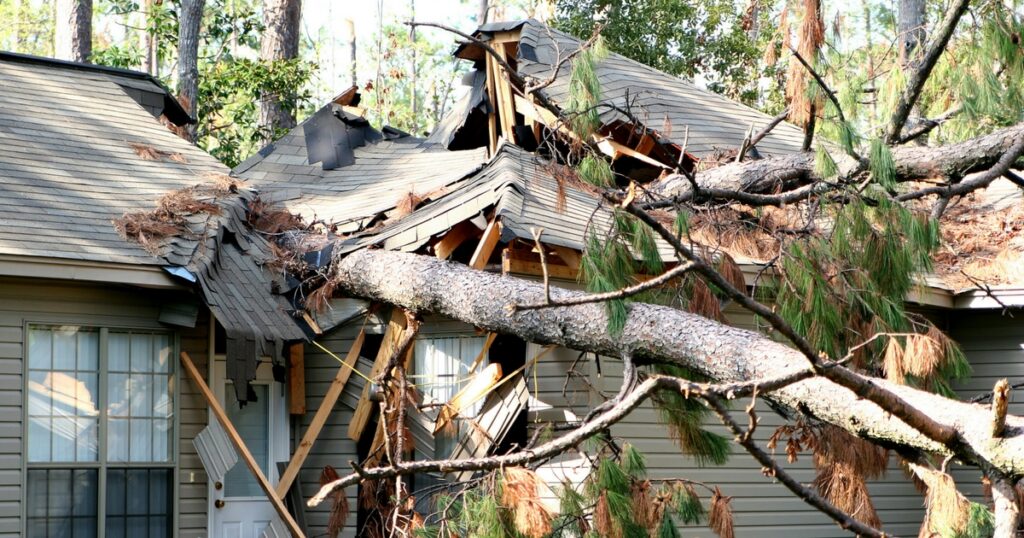
The visible damage after a storm is usually what grabs attention first. A few missing shingles on the roof. A fallen tree branch in the yard. Maybe a section of siding that has come loose. At first glance, these problems might seem manageable or even cosmetic. But the reality is that storm damage often affects parts of the home that aren’t immediately visible.
Understanding how storm damage works and why quick cleanup and repair are important to help homeowners avoid much larger problems down the road.
Storm Damage Often Starts Where You Can’t See It
One of the most misunderstood aspects of storm damage is how it spreads through a structure. A storm rarely damages just one isolated area of a home. Instead, the impact usually starts on the outside of the property and then slowly moves inward.
For example, strong winds can lift or loosen shingles on a roof without completely tearing them off. From the ground, everything may still look normal. However, those loosened shingles can allow rainwater to slip underneath the roofing material. Once water gets below the protective surface, it can travel through layers of roofing material and eventually reach the attic.
From there, the moisture may begin soaking into insulation, wood framing, and ceiling drywall. By the time a homeowner notices a small stain on the ceiling, the water may have already been spreading for hours or even days.
This is why storm damage restoration professionals always start with a full inspection of the property. The goal is not only to identify the obvious damage, but also to find the hidden areas where water may already be affecting the structure.
Wind Damage Is More Powerful Than Many People Realize
When people think about storm damage, they often imagine flooding or water entering the home. But in many cases, wind is actually the first cause of structural problems.
Strong winds can loosen flashing around chimneys and vents, bend gutters, shift siding panels, and even crack window seals. These types of damage may not look serious immediately after a storm, but they create openings where water can enter the building during the next rainfall.
In Raleigh, sudden storms can bring wind gusts strong enough to move roofing materials or send debris flying across a property. A small piece of debris striking a roof or window can create an opening that allows water to seep into the home slowly over time.
When wind damage is repaired quickly, homeowners can often prevent these small issues from turning into major structural repairs.
Water Intrusion Is Where Most Storm Damage Gets Worse
Once water finds a path into the home, it rarely stays in one place. Building materials such as drywall, insulation, and wood framing absorb moisture easily. This allows water to spread beyond the original entry point.
In many cases, the damage spreads quietly. Moisture can move through walls, under flooring, or above ceilings long before visible signs appear. When homeowners eventually notice damp areas or discoloration, the water may have already traveled through several structural components.
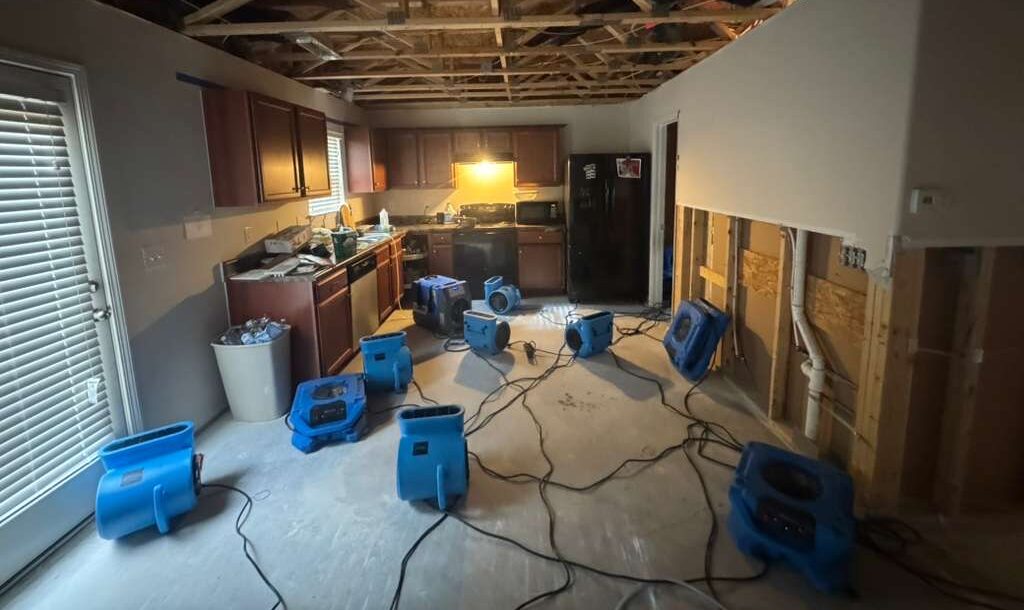
This is why storm damage cleanup is not just about removing water that is visible on the floor. Professional restoration teams use specialized equipment to detect moisture hidden inside walls and structural materials.
By identifying these hidden areas early, restoration professionals can dry the structure properly and prevent further deterioration.
The Hidden Risk of Delayed Storm Damage Repairs
One of the biggest mistakes homeowners make after a storm is assuming that the damage is minor because the home still feels structurally sound. Unfortunately, waiting too long to address storm damage can allow problems to grow much worse.
Moisture that remains trapped inside building materials creates an environment where mold can begin to develop. Mold does not always appear immediately. In some situations, it may take several days before growth becomes visible. By that time, the affected materials may already require replacement.
Even without mold growth, moisture can weaken materials over time. Wood framing may begin to swell or warp, drywall can lose its strength, and flooring materials may start to buckle.
When storm damage cleanup and drying are performed quickly, the chances of these secondary problems are significantly reduced.
Why Professional Storm Damage Cleanup Makes a Difference
Cleaning up after a storm involves more than simply removing debris or drying visible water. A proper storm damage restoration process focuses on stabilizing the structure and preventing long-term damage.
Restoration professionals begin by evaluating the entire property. This inspection helps determine where the storm impacted the structure and whether water has entered the building.
Once the inspection is complete, the next step typically involves removing debris and securing any damaged areas. If water has entered the property, extraction equipment is used to remove standing water before structural drying begins.
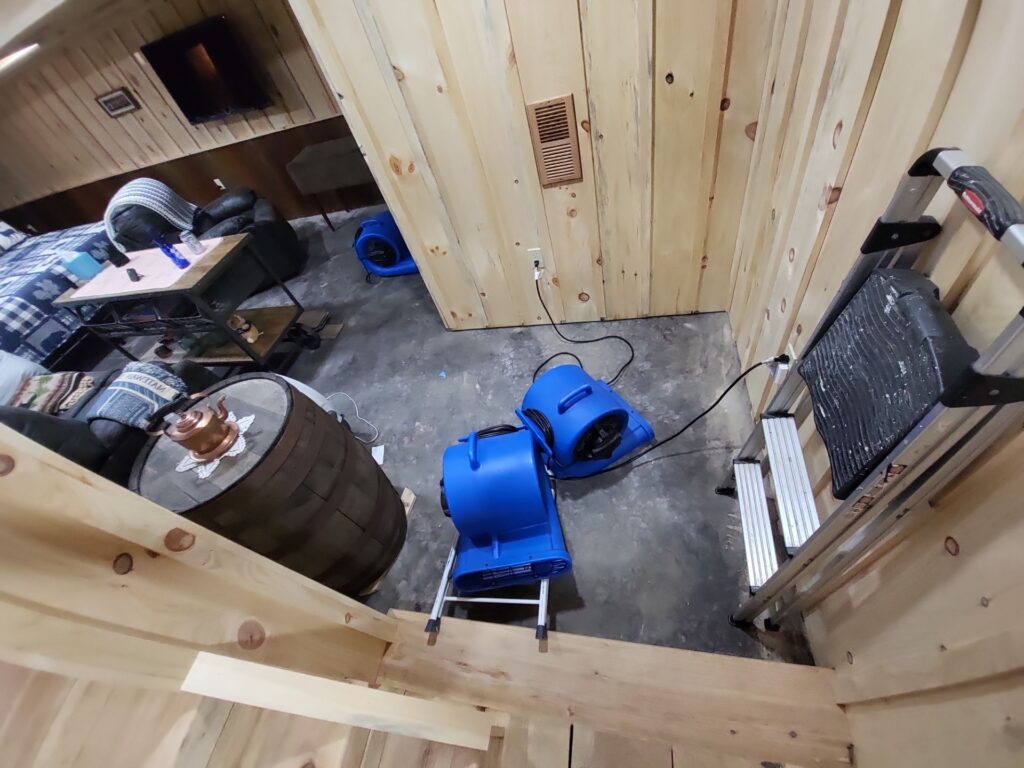
Industrial drying equipment is designed to pull moisture out of materials that would otherwise take days or weeks to dry naturally. This controlled drying process helps prevent mold growth and structural deterioration.
Storm Damage Restoration Is About Protecting the Future of the Property
Many homeowners think of storm damage repairs as simply fixing what was broken during the storm. In reality, the restoration process is about protecting the home from future damage as well.
Repairing damaged roofing materials, sealing openings in siding, and drying structural materials ensures that the property remains stable and protected against future storms. When these issues are handled properly, homeowners can avoid repeated problems caused by hidden moisture or weakened materials.
A well-repaired structure is far more resilient during the next severe weather event.
Storm Damage Is Stressful, But Recovery Is Possible
Experiencing storm damage can be overwhelming for homeowners. Seeing parts of your home damaged or exposed after severe weather is never easy. However, understanding how storm damage works — and how restoration professionals repair it — can make the recovery process much less stressful.
With the right response and proper restoration work, most storm-damaged homes can be fully repaired and restored to a safe, stable condition.
Storms may be unpredictable, but the recovery process doesn’t have to be.