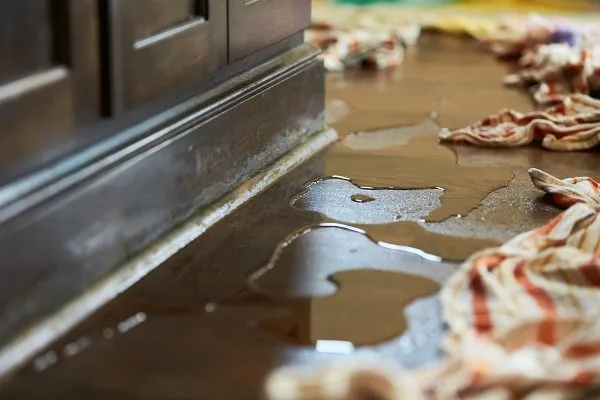
Water damage has a way of showing up at the worst possible time. One moment everything is fine, and the next you are dealing with soaked floors, dripping ceilings, or standing water spreading across your space. In a place like Austin where sudden storms, plumbing failures, and foundation movement are all common, knowing what to do in those first few hours can make the difference between a manageable cleanup and a costly reconstruction project.
The biggest mistake property owners make is waiting too long to take action. Water does not stay in one place. It spreads quickly into drywall, insulation, flooring, and structural materials. Within a short amount of time, what started as a small issue can turn into widespread damage that is harder and more expensive to fix. Acting fast is not optional. It is necessary.
Step One Stop the Source of the Water
Before anything else, you need to stop the water from continuing to enter the property. If the damage is caused by a burst pipe or plumbing issue, shut off the main water supply immediately. If the source is a leaking appliance, turn it off and disconnect it if possible. In cases of storm damage or roof leaks, you may not be able to fully stop the intrusion, but you should limit exposure as much as possible.
Stopping the source prevents additional water from entering the space and gives you a chance to get the situation under control. Without this step, any cleanup effort will only be temporary.
Step Two Protect Yourself and the Property
Water damage can create unsafe conditions very quickly. Electrical hazards are one of the biggest risks. If water is near outlets, appliances, or electrical panels, avoid contact and turn off power to the affected area if it is safe to do so. Do not take risks here. Safety comes first.
Next, protect what you can. Move furniture, electronics, and valuables away from the affected area if possible. Even small efforts to limit exposure can reduce the amount of damage and save items that might otherwise be lost.
Step Three Document the Damage
Before cleanup begins, take clear photos and videos of all affected areas. This step is important for insurance purposes. Capture wide shots of each room as well as close up images of damaged materials, standing water, and any visible source of the problem.
Having detailed documentation helps support your claim and ensures that nothing is overlooked during the assessment process. It also creates a record of the condition of the property before restoration work begins.
Step Four Remove Standing Water
Standing water needs to be removed as quickly as possible. The longer it sits, the more it penetrates into materials and the harder it becomes to fully dry the structure. Small amounts of water may be manageable with basic tools, but larger volumes require professional extraction equipment.
Professional water extraction removes water from flooring, carpets, and hard surfaces efficiently. It also reduces the amount of moisture that seeps into structural components, which is critical for preventing long term damage.
Step Five Begin the Drying Process
After visible water is removed, the real work begins. Moisture that remains hidden behind walls, under flooring, and inside materials can cause serious issues if not addressed properly. This is where structural drying comes into play.
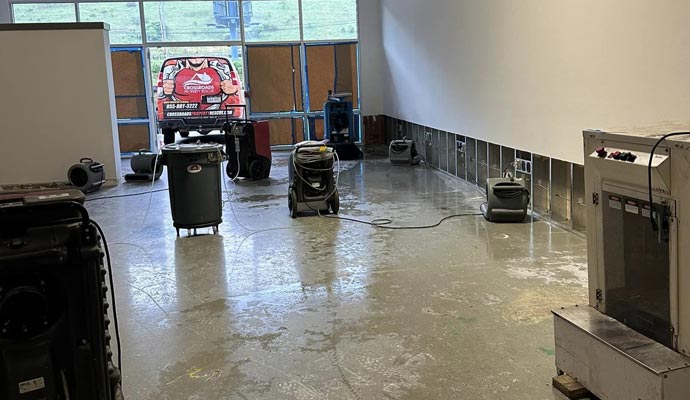
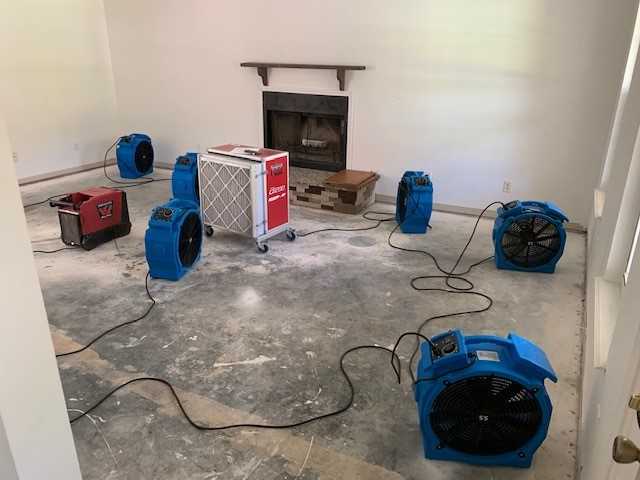
Drying involves the use of air movers and dehumidification equipment to pull moisture out of the structure. It is not just about drying what you can see. It is about removing moisture from areas that are not visible but still affected. Without proper drying, the risk of mold growth and material deterioration increases significantly.
Step Six Monitor Moisture Levels
Drying is not a one time event. It is a process that requires monitoring. Moisture levels should be checked regularly to ensure that materials are returning to safe and acceptable conditions. This step is often overlooked by property owners who assume that once surfaces feel dry, the job is done.
In reality, hidden moisture can remain trapped for days if not properly managed. Professional moisture detection tools help track progress and confirm when the drying process is complete.
Step Seven Clean and Sanitize Affected Areas
Water damage is not just about moisture. It can also introduce contaminants, especially in cases involving flooding or sewage backup. Cleaning and sanitizing affected areas is essential to restore a safe environment.
This step may include removing damaged materials, disinfecting surfaces, and addressing any odors caused by water exposure. Proper cleanup ensures that the property is not only dry but also clean and safe for occupants.
Step Eight Begin Restoration and Repairs
Once the property is fully dried and cleaned, the final step is restoration. This can range from minor repairs such as replacing baseboards and repainting walls to more extensive work involving flooring, drywall, and structural components.
The goal of restoration is to return the property to its original condition or better. This step should be approached with the same level of care and precision as the earlier stages of the process.
Why Acting Quickly Matters in Austin TX
Austin properties face unique challenges when it comes to water damage. Sudden storms can bring heavy rainfall in a short period of time, while shifting soil conditions can impact foundations and plumbing systems. These factors increase the likelihood of water intrusion and make quick response even more important.
Delays in addressing water damage allow moisture to spread deeper into the structure. This leads to higher repair costs, longer restoration timelines, and increased risk of mold growth. Acting quickly helps contain the damage and simplifies the overall process.
When to Call a Professional Water Damage Restoration Company
While some minor situations can be handled on your own, most water damage scenarios require professional help. If there is significant standing water, visible structural damage, or signs of moisture behind walls or under flooring, it is time to bring in a restoration team.
Professionals have the equipment, experience, and processes needed to handle water damage properly. They can identify hidden issues, remove moisture completely, and ensure that the property is restored safely.
Final Thoughts
Water damage does not fix itself. It gets worse with time. The steps you take in the first few hours can determine how severe the damage becomes and how difficult it is to repair.
By stopping the source, protecting the property, removing water, and starting the drying process quickly, you can limit the impact and set the stage for a successful restoration. When in doubt, bringing in a professional water damage restoration company in Austin TX ensures that nothing is missed and the job is done right from the start.