Water damage rarely feels random when you step back and look at it. Most of the time, there is a pattern. Something fails, something shifts, or something gets ignored long enough to turn into a bigger problem. In Austin TX, homes deal with a mix of weather conditions, aging plumbing systems, and foundation movement that all contribute to water damage in different ways.
Understanding what causes water damage is the first step toward preventing it. When you know where problems usually start, you can catch them earlier, reduce the risk, and avoid the kind of damage that leads to expensive repairs and long restoration timelines.
Plumbing Failures and Burst Pipes
One of the most common causes of water damage in Austin homes is plumbing failure. Pipes can crack, joints can weaken, and pressure changes can lead to sudden bursts. Even a small leak behind a wall can go unnoticed for days or weeks, slowly soaking into insulation and framing.
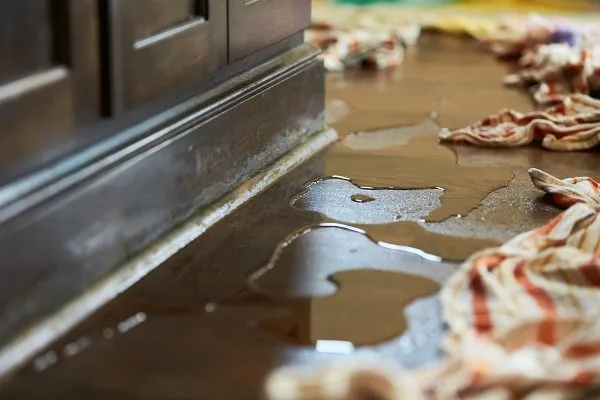
Burst pipes are more obvious and more destructive. They release a large amount of water quickly and can flood multiple rooms in a short amount of time. Once water spreads, it begins soaking into floors, drywall, and structural materials.
Prevention starts with regular inspection. Check for signs of corrosion, moisture, or small leaks around exposed pipes. Pay attention to changes in water pressure or unexplained increases in water bills. Catching a problem early can prevent a full scale failure later.
Slab Leaks and Foundation Movement
Austin soil is known for shifting, especially during periods of heavy rain followed by dry conditions. This movement can put stress on plumbing lines that run beneath the foundation, leading to slab leaks. These leaks are difficult to detect because they occur below the surface.
Signs of a slab leak include warm spots on flooring, unexplained moisture, cracks in walls or flooring, and the sound of running water when no fixtures are in use. Left untreated, slab leaks can weaken the foundation and lead to serious structural issues.
Preventing slab leaks is not always simple, but monitoring for early warning signs helps. If anything feels off, it is worth having the property inspected before the damage spreads further.
Roof Leaks and Storm Damage
Storms in Austin can develop quickly and bring heavy rain that tests the limits of roofing systems. Missing shingles, damaged flashing, or worn seals around vents and skylights can allow water to enter the structure.
Roof leaks often start small but grow over time. Water can travel along beams and settle in areas far from the original entry point, making it harder to identify the source. By the time stains appear on ceilings, the damage is usually more extensive than it looks.
Routine roof inspections can prevent this. After major storms, check for visible damage and address issues immediately. Keeping gutters clear also helps direct water away from the roof and reduces the risk of overflow.
Appliance Failures and Water Line Leaks
Household appliances are another common source of water damage. Washing machines, dishwashers, water heaters, and refrigerators all rely on water lines that can wear out or fail over time. A loose connection or cracked hose can release water slowly or all at once.
Water heaters are especially risky because they hold large volumes of water. When they fail, they can flood surrounding areas quickly. Older units are more likely to develop leaks or fail under pressure.
Replacing aging hoses and inspecting connections regularly can reduce the risk. It is also a good idea to replace older water heaters before they reach the point of failure rather than waiting for a leak to happen.
Clogged Drains and Sewer Backups
Drainage issues are not just inconvenient. They can lead to serious water damage if not handled properly. Clogged drains can cause water to back up into sinks, tubs, and toilets. In more severe cases, sewer lines can back up and introduce contaminated water into the property.
Sewage backups are one of the most hazardous forms of water damage. The water contains bacteria and contaminants that require professional cleanup and sanitation. This is not something to handle without proper equipment and procedures.
Preventing clogs starts with proper use. Avoid flushing items that do not break down easily and be mindful of what goes down drains. Regular maintenance of sewer lines can also help identify potential problems before they become emergencies.
Poor Drainage Around the Property
Water damage does not always start inside the home. Poor drainage around the exterior can allow water to collect near the foundation and eventually seep into the structure. This is especially common during heavy rainfall when the ground becomes saturated.
If water is not directed away from the property, it can find its way inside through cracks, joints, or weak points in the foundation. Over time, this can lead to persistent moisture issues and structural damage.
Improving drainage can make a significant difference. Make sure gutters and downspouts are functioning properly and directing water away from the home. Grading around the property should slope away from the foundation to prevent water from pooling.
Why Prevention Matters
Water damage is not just about cleanup. It affects the structure, indoor air quality, and long term stability of the property. Preventing damage is always easier and less expensive than restoring a property after the fact.
Small issues tend to grow when they are ignored. A minor leak can turn into widespread damage. A clogged drain can lead to a backup. A small roof issue can become a major repair. Paying attention to early signs and addressing problems quickly reduces the risk of larger issues.
When Prevention Is Not Enough
Even with the best precautions, water damage can still happen. When it does, the response matters. Quick action limits the spread of water and reduces the amount of damage that needs to be repaired.
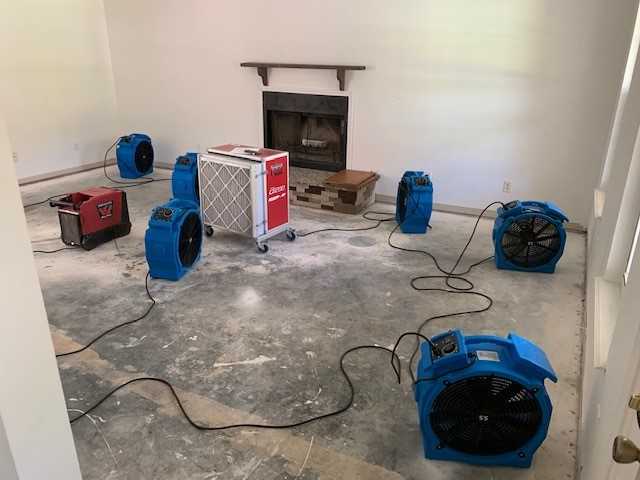
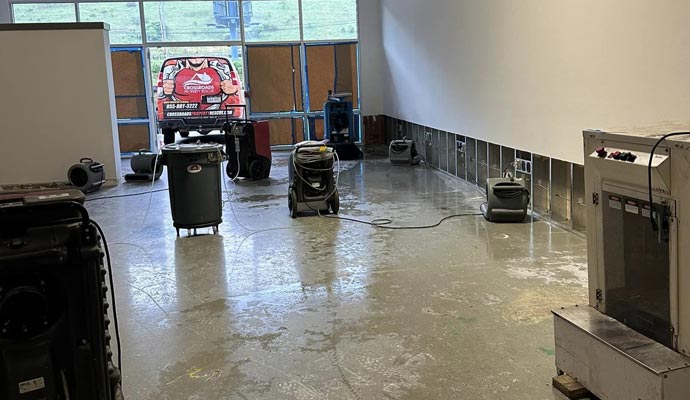
If water has already entered the property, professional water damage restoration in Austin TX ensures that the situation is handled properly. From extraction and drying to cleanup and repairs, having the right process in place makes a difference in the final outcome.
Final Thoughts
Water damage in Austin homes is often the result of common issues that build up over time. Plumbing failures, foundation movement, storms, and drainage problems all play a role. Knowing what to watch for and taking steps to prevent these issues can protect your property and reduce the chances of dealing with major damage.
And if it does happen, because it eventually does for someone, acting quickly and handling it correctly is what keeps a bad situation from getting worse.