One of the first questions people ask after water damage hits is how long the restoration process will take. The honest answer is that it depends on several factors, but there is a general timeline most projects follow. Understanding each phase helps set realistic expectations and keeps you from assuming everything is fine just because the surface looks dry.
Water damage restoration is not just about removing visible water. It is a controlled process that involves inspection, extraction, drying, monitoring, and repairs. Each step plays a role in making sure the property is fully restored and not left with hidden moisture that can cause problems later.
Initial Inspection and Assessment
The process begins with a detailed inspection of the property. This typically happens as soon as a restoration team arrives on site. During this phase, technicians identify the source of the water, evaluate how far it has spread, and determine which materials are affected.
Moisture detection tools are used to locate water behind walls, under flooring, and inside structural components. This step usually takes a few hours depending on the size of the property, but it is critical for building an accurate plan.
Without a proper assessment, it is easy to miss hidden damage that can lead to mold growth or structural issues later.
Water Extraction Phase
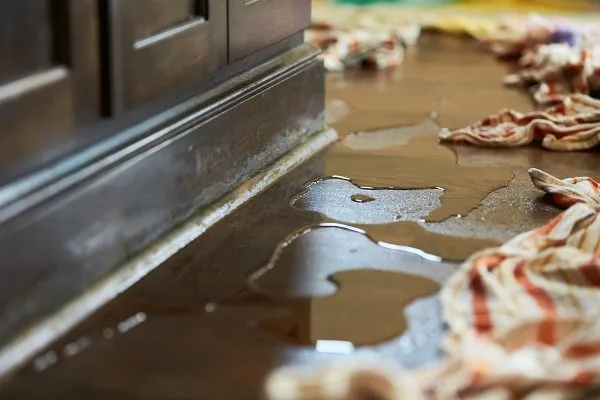
Once the scope of the damage is confirmed, the next step is water extraction. This involves removing all standing water from the property using professional equipment. The timeline for this phase depends on how much water is present.
For smaller incidents, extraction may be completed within a few hours. Larger losses involving multiple rooms or deep saturation can take longer. The goal is to remove as much water as possible before it has a chance to soak deeper into materials.
Quick extraction is one of the most important parts of the process because it reduces the overall drying time and limits further damage.
Structural Drying and Dehumidification
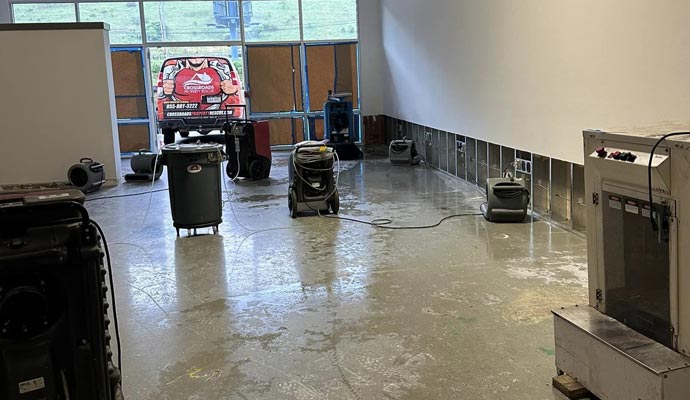
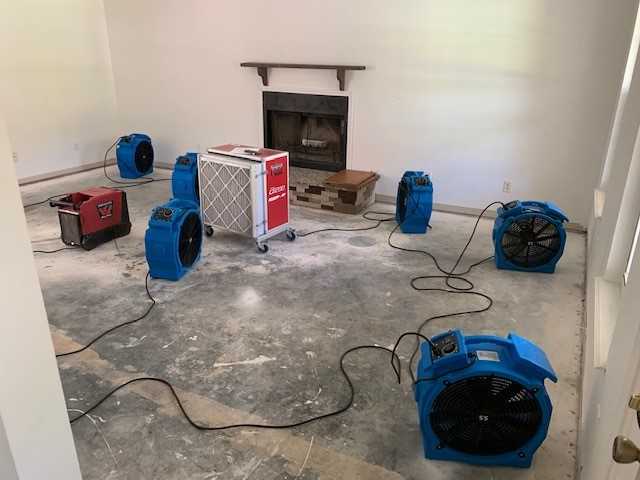
After the visible water is removed, the focus shifts to drying the structure. This is often the longest part of the restoration process. Air movers and dehumidification equipment are placed strategically throughout the property to pull moisture out of materials.
In most cases, the drying phase takes between three to five days. However, this can vary depending on the extent of the damage, the types of materials involved, and the humidity levels in Austin TX.
Hardwood floors, thick insulation, and dense materials take longer to dry than tile or concrete. The key is not to rush this step. Even if surfaces feel dry, moisture can still be trapped inside.
Moisture Monitoring and Adjustments
During the drying phase, technicians monitor moisture levels daily to track progress. This ensures that all affected areas are drying properly and that no hidden pockets of moisture are left behind.
Equipment may be adjusted throughout the process to target specific areas that are drying more slowly. This level of monitoring is what separates proper restoration from incomplete work.
Skipping or rushing this step can lead to mold growth, odors, and long term damage that shows up weeks or months later.
Cleaning and Sanitizing
Once the structure is dry, the next step is cleaning and sanitizing affected areas. This is especially important if the water damage involves contamination from outside water sources or sewage.
Cleaning may include removing damaged materials, disinfecting surfaces, and addressing any odors caused by moisture exposure. This phase ensures that the property is not only dry but also safe for occupants.
The timeline for cleaning varies based on the severity of the damage but is usually completed within one to two days.
Restoration and Repairs
The final stage of the process is restoration. This includes repairing or replacing damaged materials such as drywall, flooring, and trim. In minor cases, restoration may be limited to small repairs and cosmetic work.
For more extensive damage, this phase can take several days or even weeks depending on the scope of the repairs. The goal is to return the property to its original condition or better.
This is the stage where everything comes together and the space is fully brought back to a stable and livable condition.
Factors That Affect the Timeline
Several factors influence how long water damage restoration takes in Austin TX. The amount of water, the type of materials affected, and how quickly the response begins all play a role.
Humidity levels also impact drying times. Higher humidity can slow the drying process, while controlled environments allow moisture to be removed more efficiently.
Another major factor is how long the water has been present before action is taken. The longer it sits, the deeper it spreads and the longer it takes to fully dry.
Why You Should Not Rush the Process
It is natural to want the process to be finished as quickly as possible. No one wants to deal with equipment running in their home or business for days. But rushing the process can lead to bigger problems later.
If moisture is not fully removed, it can lead to mold growth, material deterioration, and recurring issues that require additional repairs. Taking the time to do it right the first time saves time and money in the long run.
What Property Owners Should Expect
During water damage restoration, you can expect some disruption. Equipment will be running, affected areas may be limited, and there will be regular monitoring of progress.
Clear communication from the restoration team helps keep everything organized and ensures that you understand what is happening at each stage. Knowing what to expect makes the process less stressful and more manageable.
Final Thoughts
Water damage restoration in Austin TX is not instant, but it follows a clear and proven process. From inspection and extraction to drying and repairs, each step is designed to fully restore the property and prevent future issues.
Most projects take anywhere from a few days to a couple of weeks depending on the severity of the damage. The key is acting quickly and allowing the process to be completed properly.
Because when it comes to water damage, doing it halfway is how you end up doing it twice.