Water does not wait. It does not slow down or give you time to think things through. The moment water enters a home, whether from a burst pipe, appliance failure, or storm related intrusion, it begins to move, absorb, and break things down. Many property owners assume they have time to deal with it later, but the reality is very different. What starts as a small issue can turn into serious damage faster than most people expect.
Understanding how quickly water damage spreads can help you make better decisions and avoid much larger repair costs. The timeline below shows what really happens inside a property once water is introduced.
The First Hour
Within the first hour, water begins spreading across floors and into nearby materials. It moves into carpet, padding, baseboards, and lower sections of drywall. Even if the water looks contained, it is already working its way into seams, cracks, and hidden spaces.
At this stage, the damage may still look manageable. You might see a puddle or a wet area and think it can be cleaned up with towels or a mop. The problem is that water does not stay on the surface. It is already soaking into materials that are designed to absorb it.
Wood begins to take on moisture quickly. Laminate flooring can start to swell at the edges. Drywall pulls water upward like a sponge. If the source is still active, the spread accelerates even more.
This is the point where immediate action makes the biggest difference. Removing water early can prevent it from reaching deeper layers of the structure.
After 24 Hours
After one full day, the situation changes significantly. Water has now had enough time to move deeper into the structure. Flooring systems, wall cavities, and insulation may all be affected.
Drywall begins to soften and lose strength. Paint can start to bubble or peel. Wood materials may begin to warp or expand. Doors and cabinets might not close properly due to swelling.
Odors may begin to develop as materials stay damp. The environment inside the home becomes more humid, which allows moisture to linger in areas that are not easy to see or access.
At this stage, surface cleanup is no longer enough. Even if the visible water is gone, moisture is still trapped inside materials. Without proper drying equipment and monitoring, that moisture will continue to cause damage.
After 48 to 72 Hours
Between two and three days, water damage becomes much more serious. Materials that have stayed wet begin to break down further. Structural components may start to weaken, especially in areas where water has been sitting or absorbing continuously.
Drywall may begin to deteriorate to the point where it needs to be removed. Flooring systems can lose stability. Subfloors may begin to shift or separate. The longer water sits, the more likely it is that materials will need replacement instead of simple restoration.
Air quality inside the property can also decline. Lingering moisture creates conditions that are unhealthy and uncomfortable. Odors become stronger and more noticeable.
At this point, the restoration process becomes more complex. What could have been handled with quick drying may now involve removal of materials, deeper cleaning, and more extensive repairs.
After One Week
After a full week, water damage has usually spread well beyond the original source. Hidden areas such as behind walls, under flooring, and inside structural components are often heavily affected.
Materials that have remained wet for this long are unlikely to return to their original condition. Warping, weakening, and deterioration are common. In many cases, sections of the property must be removed and rebuilt.
The cost and time required for restoration increase significantly at this stage. What started as a localized issue can now impact multiple rooms or sections of the property.
This is also when many property owners realize the damage is much worse than it appeared at first. By then, the situation requires a much larger response.
Why Water Spreads So Quickly
Water follows the path of least resistance. It moves through gaps, seams, and porous materials with ease. Homes are full of materials that absorb and hold moisture, including wood, drywall, insulation, and flooring systems.
Gravity pulls water downward, but capillary action allows it to move upward and sideways as well. This is why water damage is rarely limited to one area. It spreads in ways that are not always visible from the surface.
Temperature and humidity also play a role. In warmer environments, moisture can move faster and affect materials more aggressively. Without proper airflow and drying, water remains trapped and continues to cause damage.
The Hidden Damage Problem
One of the biggest issues with water damage is what you cannot see. A floor may look dry, but moisture can still be trapped underneath. A wall may appear fine, but the inside could be saturated.
Hidden moisture is what leads to long term problems. It weakens materials over time and can create ongoing issues that are not immediately noticeable.
This is why professional restoration focuses on more than just visible water. Moisture detection tools and monitoring are used to ensure that all affected areas are properly dried.
What Property Owners Often Get Wrong
Many people underestimate how fast water damage spreads. They assume they can wait a day or two before taking action. By the time they decide to address the issue, the damage has already progressed.
Another common mistake is focusing only on what is visible. Removing surface water does not solve the problem if moisture remains trapped inside materials.
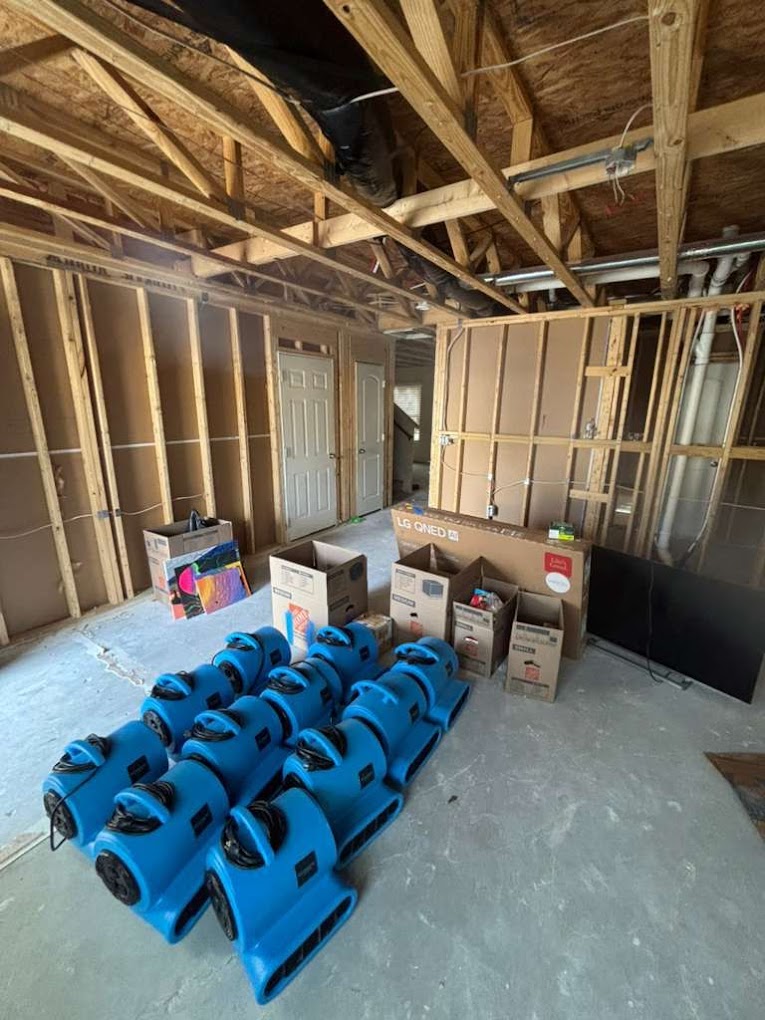
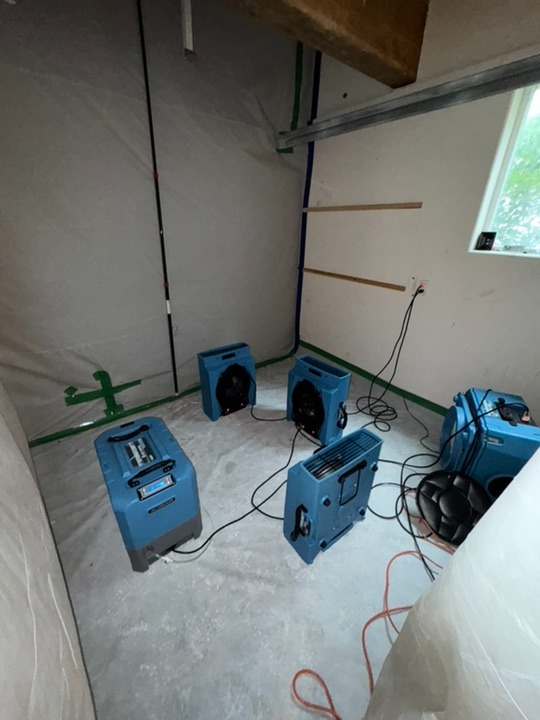
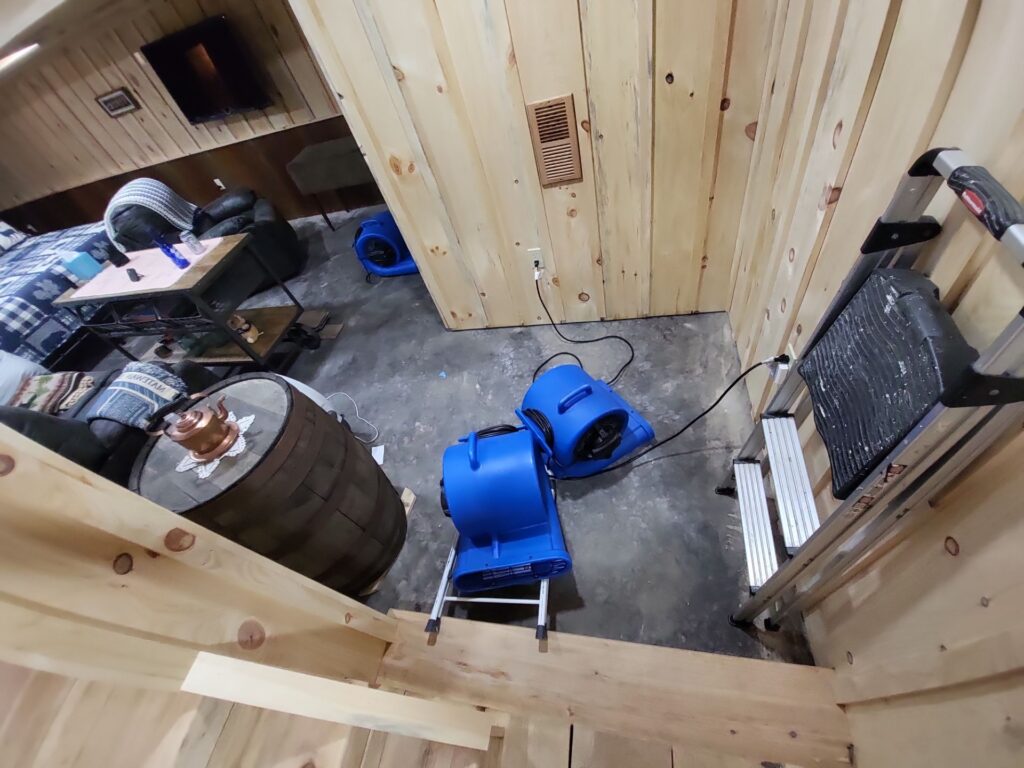
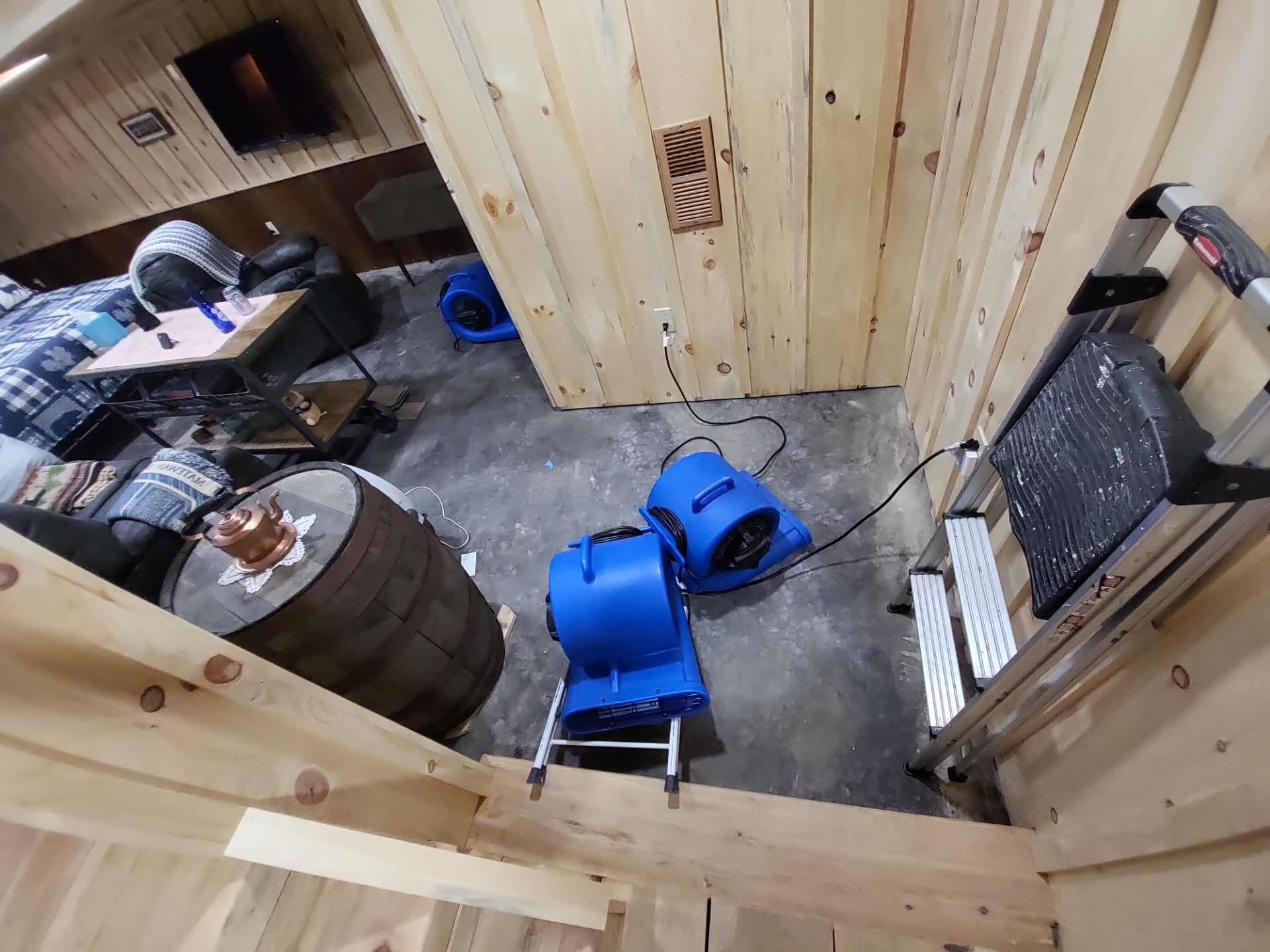
Some also believe that airflow from fans or opening windows is enough. While that may help slightly, it does not replace proper drying equipment designed to remove moisture from deeper layers.
The Importance of Fast Action
Speed is everything when it comes to water damage. The faster the response, the more damage can be prevented. Early action can mean the difference between simple drying and full reconstruction.
Professional restoration teams are equipped to handle water removal, drying, and monitoring quickly and effectively. They understand how water moves and how to stop it before it causes further damage.
Waiting too long allows water to spread, absorb, and break down materials. Acting early helps protect the structure, reduce costs, and shorten the overall restoration process.
Final Thoughts
Water damage is not a slow moving problem. It begins spreading immediately and continues to get worse with time. What looks like a minor issue can quickly turn into a major repair if not handled properly.
Understanding the timeline helps property owners see the urgency. The sooner the response, the better the outcome. Water will not fix itself, and it will not stop on its own.
If there is one takeaway, it is this. When water enters a property, time is not on your side.